Picture this: It’s Saturday morning, the sun is shining, and you’re ready to get your lawn looking its best. But then, the lawn mower sits there, silent. The battery is dead. Now, you’re wondering if that 12-volt charger sitting in your garage can bring it back to life. This post is for you. We’ll explore whether you can use a 12-volt charger for your lawn mower battery. By the end, you’ll know how to safely and effectively revive your mower, saving you time and money. You will get helpful tips for battery care.
What Kind of Battery Does Your Lawn Mower Use?
Before you even think about charging, you need to know what type of battery your lawn mower has. Most riding mowers and many push mowers use a 12-volt battery, similar to those found in cars. These batteries are typically lead-acid batteries, but you might also find Absorbed Glass Mat (AGM) or Gel batteries in some models. Knowing the battery type is important to determine the correct charging method and prevent damage. This post will mainly focus on the most common battery type, the 12-volt lead-acid.
Lead-Acid Battery Basics
Lead-acid batteries are the most common type used in lawn mowers because they are inexpensive and can provide high surge currents, which is needed to start an engine. They work by converting chemical energy into electrical energy. Inside the battery are lead plates immersed in an electrolyte solution of sulfuric acid and water. When you connect a load, such as a starter motor, a chemical reaction occurs, producing electricity. When you recharge, this process is reversed.
-
Construction: Lead-acid batteries consist of lead plates and a sulfuric acid electrolyte. The lead plates are made of lead or lead oxide. The plates are arranged in alternating positive and negative sets, and they are submerged in a sulfuric acid electrolyte.
The electrolyte acts as a medium for the transfer of ions and helps to facilitate the chemical reactions that occur during charging and discharging. The battery casing is usually made of a hard plastic. - How They Work: When the battery is discharging, the lead plates react with the sulfuric acid, producing lead sulfate and releasing electrons. When charging, the lead sulfate is converted back into lead and sulfuric acid, restoring the battery’s energy.
- Battery Care: Regular maintenance is important to increase the lifespan of your battery. Check electrolyte levels (if accessible), clean terminals, and store the battery in a cool, dry place. Overcharging can damage lead-acid batteries.
AGM and Gel Batteries: A Quick Look
While less common, AGM and Gel batteries offer some advantages over lead-acid batteries. AGM batteries use a fiberglass mat to absorb the electrolyte, making them spill-proof and more resistant to vibration. Gel batteries use a silica gel to suspend the electrolyte. Both AGM and Gel batteries often have a slower discharge rate than traditional lead-acid batteries and are more expensive.
-
AGM Batteries: AGM batteries (Absorbent Glass Mat) are valve-regulated lead-acid batteries. The electrolyte is absorbed by a special fiberglass mat. They are spill-proof and offer better performance in cold weather.
AGM batteries are also able to withstand deep discharges better than flooded batteries. They require a specific charger or charging mode to prevent damage. - Gel Batteries: Gel batteries use a silica gel to suspend the electrolyte. They are known for their resistance to vibrations. Gel batteries have a lower self-discharge rate, meaning they lose charge slower when not in use. They also need chargers designed to prevent overheating, as overcharging can cause permanent damage.
- Charging Differences: While many 12-volt chargers can be used for these battery types, you must pay close attention to the charger’s settings. AGM and Gel batteries may require a specific charging mode to avoid damaging the battery. Using the wrong charger settings can damage the battery and shorten its life.
Can You Charge a Lawn Mower Battery With a 12-Volt Charger? The Answer
The short answer is yes, you can usually charge a lawn mower battery with a 12-volt charger, as long as the charger is designed for lead-acid batteries. However, you need to consider the charger’s specifications and the battery’s requirements. Using the wrong charger or charging incorrectly can damage your battery, or worse. This section explains the things you need to know to safely recharge your mower battery.
Matching Charger and Battery Specifications
It’s important to make sure the charger’s output voltage and current are compatible with your lawn mower battery. A 12-volt charger should work, but the current rating is important. The charger’s current (amps) should be close to the battery’s capacity (amp-hours) or less. For instance, if your battery is rated at 20 amp-hours, a charger that can deliver 1-2 amps is suitable. Too much current can cause overheating.
- Voltage Compatibility: Ensure the charger is designed for 12-volt batteries. The voltage rating is the most important factor.
-
Current Rating (Amps): The charger’s current rating should be low enough to prevent damage. A charger with a current rating that is too high might damage the battery. A slow charge is generally better than a fast charge.
As a general rule, a charging current that is about 1/10th of the battery’s capacity in amp-hours is a good starting point. - Charger Type: Modern chargers often have different modes for different battery types (e.g., lead-acid, AGM, Gel). Make sure you select the correct mode or setting on your charger.
Safe Charging Practices and Precautions
Charging a battery can be dangerous if not done correctly. Always follow safety precautions and manufacturer instructions. Work in a well-ventilated area because batteries can release explosive gases during charging. Always disconnect the battery from the lawn mower before charging. Avoid sparks near the battery, and wear safety glasses and gloves.
- Ventilation: Charge the battery in a well-ventilated area to prevent a buildup of explosive hydrogen gas.
- Connect and Disconnect: Always connect the charger to the battery terminals before plugging the charger into the power outlet. Disconnect the charger from the power outlet before disconnecting it from the battery. This helps to prevent sparks.
- Terminal Cleaning: Clean the battery terminals before charging. Use a wire brush and a solution of baking soda and water to remove any corrosion.
Step-by-Step Guide for Charging Your Lawn Mower Battery
Charging your lawn mower battery is a straightforward process when you follow a few simple steps. This step-by-step guide is designed to make the process safe and efficient, regardless of your experience. Always refer to your charger’s manual for specific instructions, as different models may have different features or settings.
Preparing the Battery for Charging
Before connecting the charger, take a few minutes to prepare the battery. This will improve the charging process and help keep the battery in good shape. Make sure you’re in a safe location, and you have the right equipment ready.
- Safety First: Put on safety glasses and gloves before you begin. Work in a well-ventilated area.
-
Cleaning Terminals: Use a wire brush to clean any corrosion from the battery terminals.
Corrosion can interfere with the charging process. If the terminals are heavily corroded, use a solution of baking soda and water to clean them. - Inspect the Battery: Check the battery for any signs of damage, such as cracks or leaks. If you find any damage, do not charge the battery.
Connecting the Charger to the Battery
Proper connection is key for safe and effective charging. Double-check that you’re connecting the charger leads to the right terminals. Connecting the cables incorrectly can damage the battery or the charger. Most chargers have color-coded leads, and you must make the correct connections before turning on the charger.
- Locate the Terminals: Identify the positive (+) and negative (-) terminals on your lawn mower battery. The positive terminal is usually marked with a plus sign (+) and may be red. The negative terminal is usually marked with a minus sign (-) and may be black.
- Connect the Leads: Connect the red (positive) charger lead to the positive terminal of the battery. Connect the black (negative) charger lead to the negative terminal of the battery. Ensure the connections are secure.
- Charger Placement: Place the charger away from the battery to prevent any accidental contact. Ensure the charger is on a stable surface.
Starting the Charging Process and Monitoring Progress
Once you’ve connected the charger correctly, it’s time to start the charging process. Select the appropriate settings on your charger, if available, and keep an eye on the battery’s status. Some chargers have indicator lights to show you the charging stage. Monitoring the charging process ensures that you don’t overcharge the battery and protects its lifespan.
- Select the Correct Mode: If your charger has different modes (e.g., lead-acid, AGM, Gel), select the mode that matches your battery type. Check your charger and battery manuals for instructions.
- Start Charging: Plug the charger into a power outlet. The charger should begin charging the battery automatically.
- Monitoring: Most modern chargers have indicator lights that show the charging status (charging, charged, or fault). Check the charger’s display regularly. If the charger indicates a fault, disconnect it and consult the charger manual.
Troubleshooting Common Charging Issues
Sometimes, things don’t go as planned. Here are some common problems you may encounter while charging a lawn mower battery with a 12-volt charger, along with possible solutions. If you try the tips below, and the problem still persists, it may be time to seek help from a professional.
Battery Won’t Charge
If your battery doesn’t seem to be charging, there are a few possible causes. Sometimes, it’s as simple as a bad connection. Other times, the battery itself may be the issue, or the charger is faulty. Here’s a quick guide to help you find the problem and get the battery charging again.
- Check Connections: Make sure the charger leads are securely connected to the battery terminals. A poor connection can prevent the current from flowing. Unplug the charger and reconnect the leads, making sure they are clean and tight.
- Charger Problems: Check the charger’s fuse. If the fuse is blown, it will prevent the charger from working. Replace the fuse with the correct rating if needed. Test the charger on another 12-volt battery if available to make sure it functions properly.
- Battery Condition: An old or damaged battery might not accept a charge. If the battery is very old, or if it has been deeply discharged for a long time, it may not be able to hold a charge. You may need to replace the battery.
Charger Gets Hot
A charger getting hot is a sign that it is working hard, and it could be a sign of a problem. Chargers have built-in safety features to prevent overheating, but you still need to pay attention. If your charger gets hot, take steps to find the cause of the problem.
- Normal Operation: A charger can get warm, especially during a bulk charging phase. This is normal. Make sure the charger is well-ventilated, and not covered.
- Overcharging: If the charger gets too hot, it could be overcharging the battery. Disconnect the charger, and inspect the battery. Check the charger’s settings to make sure it’s the right type for the battery.
- Internal Issues: Excessive heat can be a sign that the charger is defective. If the charger is hot, but the battery is not fully charged, you may need to replace the charger.
Battery Drains Quickly After Charging
If your battery drains quickly after being charged, something is causing it to lose its charge. This could be a problem with the battery itself, or there could be a short circuit somewhere in your lawn mower’s electrical system. Determining the cause requires some troubleshooting.
- Battery Age: An older battery may not hold a charge as well as a newer one. Lead-acid batteries have a limited lifespan. Consider replacing the battery if it is old.
- Internal Damage: Internal damage can cause a battery to lose its charge. Have the battery tested by a professional if you suspect internal damage.
- Electrical System Issues: A short circuit or a parasitic drain in your lawn mower’s electrical system can drain the battery. Have the lawn mower’s electrical system checked by a mechanic.
Choosing the Right Charger for Your Lawn Mower
Selecting the right charger can make a big difference in the life and performance of your lawn mower battery. Modern chargers offer various features, from basic models to those that can handle different battery types and charging profiles. Here’s what you need to look for when choosing a charger for your needs.
Key Features to Consider
When shopping for a charger, consider features that suit your needs. The right charger will have the power and safety features needed for your lawn mower’s battery. Some features are essential, while others are nice to have. Consider what will work best for your lawn mower and battery’s needs.
- Voltage and Current: Make sure the charger is compatible with 12-volt batteries and has a suitable current rating. A smart charger adjusts the current automatically.
- Battery Type Compatibility: A charger that works with multiple battery types (lead-acid, AGM, Gel) is more versatile. These chargers often have dedicated modes to prevent damage.
- Safety Features: Look for a charger with reverse polarity protection, short circuit protection, and overcharge protection. These features keep you and your equipment safe.
- Automatic Shut-Off: Chargers with an automatic shut-off feature stop charging when the battery is full. This prevents overcharging and can extend the battery’s life.
Recommended Charger Types
Choosing the right charger type can depend on your specific needs and how often you use your lawn mower. Here’s an overview of some popular charger types and what they’re best used for. Considering how often you will need to charge your battery is an important part of the decision.
-
Trickle Chargers: These chargers deliver a low current over a long period. They are useful for maintaining a battery during the off-season. They’re not the best choice if your battery is deeply discharged.
Trickle chargers are also known as “float chargers.” They maintain a battery’s charge and automatically switch to a trickle charge when the battery is full. -
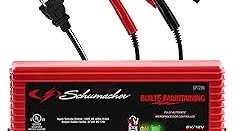
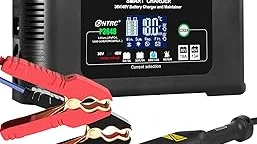
Smart Chargers: Smart chargers use microprocessors to monitor and adjust the charging process. They can charge batteries more efficiently and safely. Smart chargers are often designed to work with multiple battery types.
Smart chargers have multiple charging phases, including bulk, absorption, and float, to ensure the battery receives the correct charge without overcharging. -
Fast Chargers: Fast chargers deliver a high current to charge a battery quickly. However, fast charging can damage batteries if not managed correctly. These should be used with caution, and only if recommended by the battery manufacturer.
Fast chargers may be useful if you need to quickly recharge your battery in a pinch, but they may shorten the battery’s lifespan.
Where to Buy a Charger
Chargers are widely available. You can find them at auto parts stores, hardware stores, and online retailers. Prices vary depending on the features and quality of the charger. Consider your budget and your lawn mower’s charging requirements when making your purchase.
Here’s a comparison of where to find the right charger for your mower:
| Store Type | Pros | Cons |
|---|---|---|
| Auto Parts Stores | Knowledgeable staff, wide selection | May be slightly more expensive |
| Hardware Stores | Convenient, often have basic models | Selection may be limited |
| Online Retailers | Wide selection, competitive prices | Can’t see the product in person, potential shipping delays |
Extending the Life of Your Lawn Mower Battery
Proper care and maintenance can significantly extend the lifespan of your lawn mower battery. Regular maintenance and proper storage will keep your battery working at its best. Taking care of your battery will save you money.
Proper Storage Techniques
How you store your battery when it’s not in use will affect its lifespan. Avoid extreme temperatures and direct sunlight. Disconnect the battery from the lawn mower and store it in a cool, dry place. Using a trickle charger during storage will prevent the battery from discharging.
- Temperature: Store your battery in a cool, dry place. Extreme temperatures can damage a battery. Ideal storage temperatures are between 32°F and 77°F (0°C and 25°C).
- Maintenance Charging: Use a trickle charger to maintain the battery’s charge during storage. This prevents the battery from discharging completely and helps to extend its life.
- Location: Store the battery in a safe place, away from children and pets. Make sure the storage area is well-ventilated.
Routine Maintenance and Care Tips
Regular maintenance is key to keeping your lawn mower battery in good condition. Checking the battery’s voltage and cleaning the terminals will help extend its life and ensure it performs well. Simple maintenance can save you money.
- Voltage Checks: Use a multimeter to check the battery’s voltage regularly. A fully charged 12-volt battery should read around 12.6 volts.
- Terminal Cleaning: Clean the battery terminals regularly to remove corrosion. This improves the connection and ensures efficient charging.
- Water Levels: (For lead-acid batteries with caps): Check the water levels in the battery and add distilled water if needed. Do not overfill.
Final Thoughts
So, can you charge a lawn mower battery with a 12-volt charger? Yes, in most cases, you can. You must ensure the charger is compatible with the battery’s voltage and current requirements. By following the correct steps, and keeping safety in mind, you can safely recharge your battery, ensuring your lawn mower is ready when you need it. By using the right charger and following the correct procedures, you can keep your battery healthy, and maintain your lawn mower at its best.
Remember, always put safety first, use the right charger for your battery type, and keep up with regular maintenance. With proper care and a little bit of knowledge, you can extend the life of your battery and keep your lawn looking great. So, get out there and get mowing!